

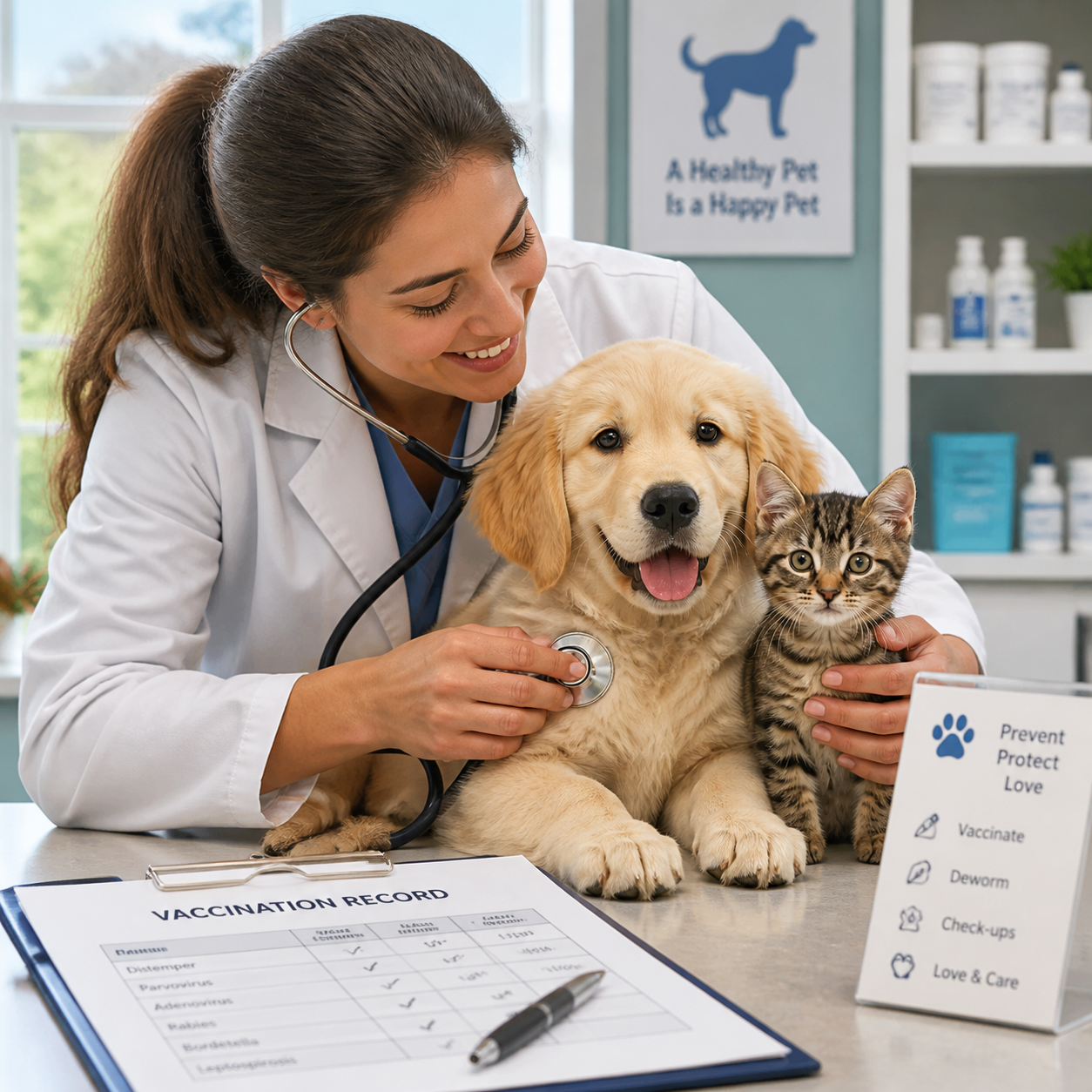


Why Regular Check-Ups Are Essential for Your Pet's Health
Your pet can't tell you when something feels off. They won't mention the subtle weight gain, the early signs of dental disease, or the slight stiffness in their joints that started three months ago. That's exactly why routine wellness exams exist — to catch what neither you nor your pet can see coming. Preventive veterinary care isn't about treating sick animals; it's about keeping healthy ones that way.
What Is a Routine Wellness Exam?
A routine wellness exam is a comprehensive head-to-tail physical assessment performed by a licensed veterinarian, typically once or twice a year, designed to evaluate your pet's overall health before problems develop. It's the foundation of preventive veterinary care.
During a standard check-up, your vet will assess far more than you might expect. The exam typically includes:
- Listening to the heart and lungs for abnormal rhythms or sounds
- Palpating the abdomen to check organ size and consistency
- Evaluating the eyes, ears, nose, and throat for early signs of infection or disease
- A dental health assessment to identify tartar buildup, gum disease, or tooth fractures
- Calculating a body condition score to assess whether your pet is at a healthy weight
- Reviewing vaccination status and discussing parasite prevention
The visit also establishes or strengthens the veterinarian-client-patient relationship (VCPR) — a formal professional bond that allows your vet to make informed medical decisions about your specific animal over time. Without this ongoing relationship, your vet is essentially meeting a stranger at every visit.
How Often Should Your Pet See the Vet?
Visit frequency depends on your pet's age and species. Puppies and kittens need monthly visits during their first few months; healthy adults typically need annual exams; senior pets generally benefit from check-ups every six months.
Here's a practical breakdown:
- Puppies and kittens (under 1 year): Every 3–4 weeks until about 16 weeks of age, primarily to complete the initial vaccination schedule and monitor rapid development
- Adult dogs and cats (1–7 years): Once a year for a full wellness exam, with additional visits if concerns arise
- Senior pets (7+ years for most breeds, earlier for large dogs): Every 6 months, since age-related conditions can progress quickly
These are general guidelines. Certain breeds carry genetic predispositions to specific conditions — brachycephalic dogs, for example, may need more frequent respiratory monitoring. Your vet will help you build a schedule that fits your individual animal.

Early Detection: Catching Health Problems Before They Become Serious
Early disease detection is arguably the single greatest benefit of regular check-ups. Many serious conditions — kidney disease, diabetes, heart disease, certain cancers — show no obvious symptoms in their early stages, but produce measurable changes that a trained vet can identify.
This is where blood work and diagnostic screening become genuinely powerful tools. A routine blood panel can reveal elevated kidney values months or even years before a pet shows clinical signs of renal disease. Catching it early means dietary management and medication can slow progression significantly — something that simply isn't possible once the disease is advanced.
The same logic applies to dental disease, which affects an estimated 80% of dogs and 70% of cats over age three. Left untreated, periodontal disease doesn't stay in the mouth — the bacteria involved can travel through the bloodstream and affect the heart, kidneys, and liver. A dental health assessment during a routine visit can flag this before it becomes systemic.
Obesity is another condition that creeps up gradually. The body condition score system gives vets a standardized way to assess whether a pet is carrying excess weight — and to intervene with a nutrition plan before the extra pounds start stressing joints and organs.
Vaccinations and Parasite Prevention: Staying Ahead of Disease
Regular check-ups are the most reliable way to keep your pet's vaccination schedule current and maintain an effective parasite prevention plan. Both are far easier to manage proactively than reactively.
Core vaccines — like rabies, distemper, and parvovirus for dogs, and FVRCP and rabies for cats — require boosters at specific intervals. Missing a booster doesn't just leave a gap in protection; depending on how long the lapse is, your vet may need to restart the entire series. Annual visits make it easy to stay on schedule without having to track it yourself.
Parasite prevention is equally time-sensitive. Fleas, ticks, and heartworm all pose real health risks, and the right prevention protocol depends on your geographic region, your pet's lifestyle, and the time of year. Your vet can recommend products that are both effective and appropriate for your specific pet — something a generic online purchase can't reliably offer. Heartworm disease in particular is expensive and grueling to treat once established; monthly prevention costs a fraction of the treatment.
The Long-Term Cost Benefits of Preventive Care
Preventive veterinary care consistently costs less than treating advanced disease. A routine wellness exam typically runs $50–$100 depending on your location and the clinic; treating a preventable condition that was allowed to progress can run into thousands.
Consider a real pattern vets see regularly: a pet owner skips annual check-ups for three or four years to save money, then faces a dental extraction procedure (often $800–$2,000+) that could have been avoided with earlier intervention. Or a dog diagnosed with late-stage heartworm disease requiring a multi-month treatment protocol that costs $400–$1,000 — versus $60–$120 per year in monthly preventives.
The math is straightforward, but the emotional calculus matters too. Early detection doesn't just save money — it often buys time. Pets whose conditions are caught early tend to have better treatment outcomes, shorter recovery periods, and longer healthy lives.
Special Considerations for Senior Pets
Older pets need more frequent veterinary attention because age-related conditions develop faster and are harder to reverse once established. For most dogs and cats, "senior" begins around age 7, though large and giant dog breeds age more quickly and may be considered senior at 5 or 6.
Beyond the standard wellness exam, senior pet care typically includes additional screenings:
- Comprehensive blood panels to monitor kidney function, liver enzymes, thyroid levels, and blood glucose
- Blood pressure measurement, since hypertension is common in older cats and often goes unnoticed
- Joint assessments to identify early arthritis and discuss pain management options
- Cognitive function evaluation, particularly for dogs showing signs of canine cognitive dysfunction
Twice-yearly visits for senior pets aren't excessive — they're practical. A lot can change in six months for a 12-year-old cat or a 10-year-old Labrador. Catching a shift in kidney values or a new heart murmur at the six-month mark rather than waiting a full year can meaningfully change the treatment trajectory.
How to Make Vet Visits Stress-Free for Your Pet
Reducing your pet's anxiety around clinic visits makes the experience better for everyone — and makes it more likely you'll keep appointments rather than postpone them. The good news is that most pets can learn to tolerate, or even enjoy, vet visits with a little preparation.
A few practical approaches that genuinely help:
- Carrier training for cats: Leave the carrier out at home as a regular resting spot, not just something that appears before a stressful trip
- Practice handling: Regularly touch your pet's paws, ears, and mouth at home so these sensations aren't associated exclusively with the vet clinic
- Bring high-value treats: Let your vet or vet tech offer treats during the exam to build positive associations
- Ask about fear-free appointments: Many clinics now offer low-stress handling protocols and can schedule visits during quieter times
- Stay calm yourself: Pets are highly attuned to their owner's emotional state — if you're anxious about the visit, they'll pick up on it
The veterinarian-client-patient relationship works best when visits aren't dreaded events. The more comfortable your pet becomes with the clinic environment, the more accurate the exam findings — a relaxed animal shows its true baseline, not a stress response.
Frequently Asked Questions
How long does a routine pet check-up take?
Most wellness exams take 30–45 minutes. If blood work, dental assessment, or additional diagnostics are included, plan for up to an hour. Arriving a few minutes early to complete paperwork helps the appointment stay on schedule.
What should I bring to my pet's wellness appointment?
Bring any previous medical records if you're visiting a new clinic, a list of current medications or supplements, and a fresh stool sample if your vet has requested parasite screening. Write down any behavioral changes or concerns beforehand — it's easy to forget once you're in the room.
At what age should puppies and kittens have their first vet visit?
Ideally within the first week or two of bringing them home, and no later than 8 weeks of age. The first visit establishes baseline health, begins the vaccination schedule, and screens for congenital issues that are easier to address early.
Can indoor-only pets skip regular check-ups?
No. Indoor pets are still susceptible to dental disease, obesity, diabetes, kidney disease, and age-related conditions — none of which require outdoor exposure to develop. Regular check-ups matter regardless of lifestyle.
What is the difference between a wellness exam and a sick visit?
A wellness exam is scheduled proactively when your pet appears healthy, with the goal of prevention and early detection. A sick visit is reactive — prompted by a specific symptom or concern. Both are important, but wellness exams are what prevent many sick visits from becoming necessary in the first place.
Scheduling your pet's next check-up is one of the most straightforward things you can do for their long-term wellbeing. If it's been more than a year, that appointment is probably overdue.