

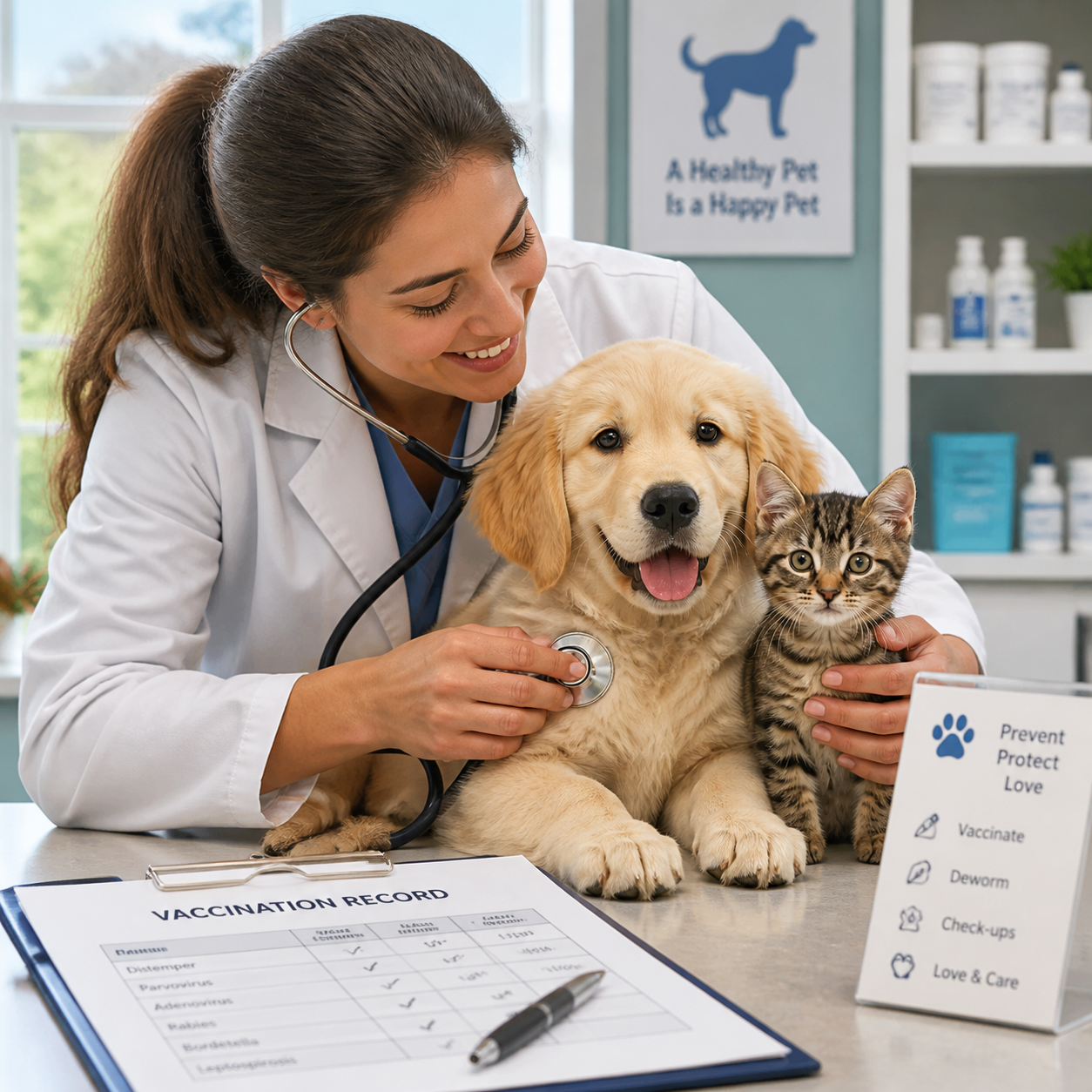

How to Handle Pet Emergencies at Home: First Steps Before Veterinary Care
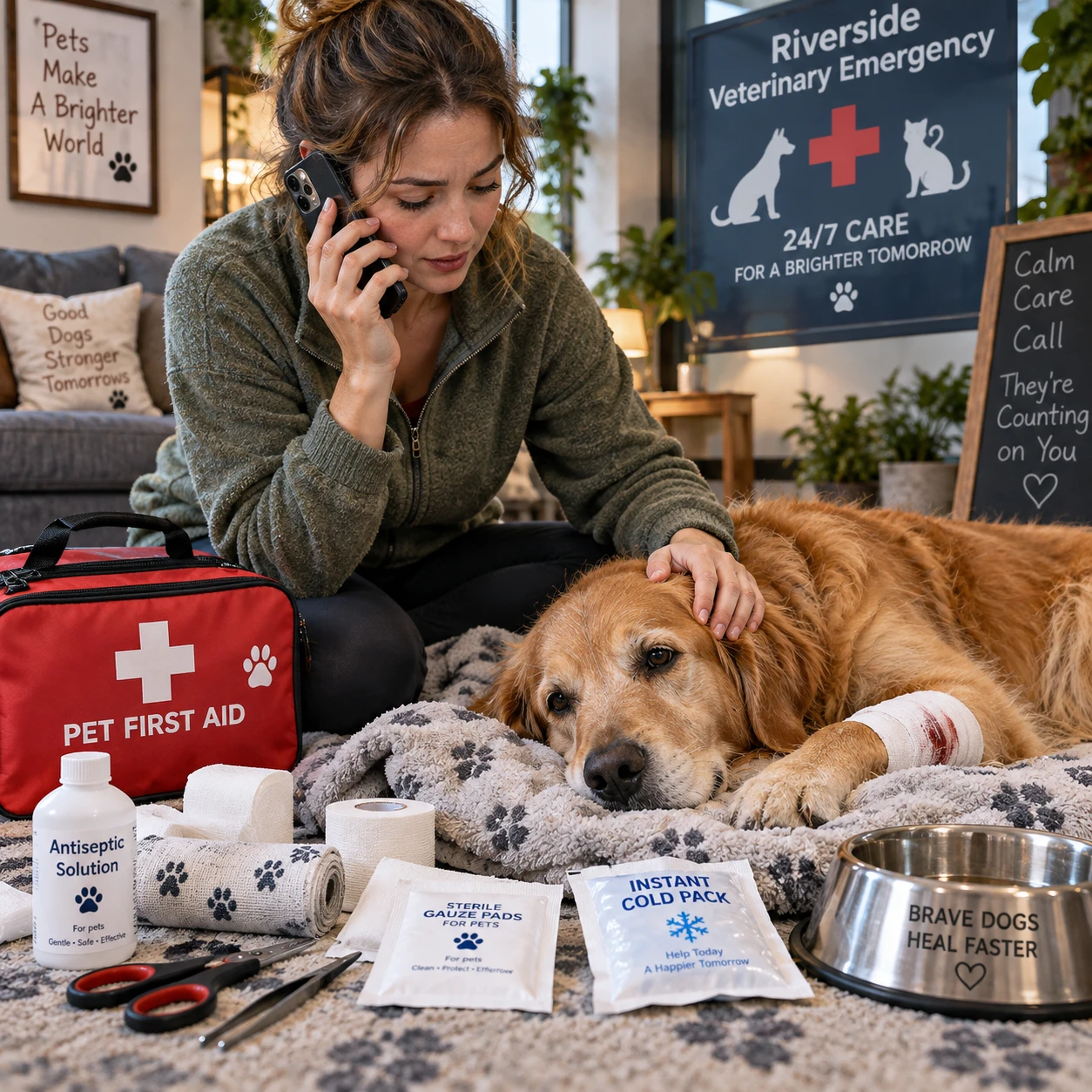
A pet emergency can unfold in seconds, and it is natural to feel frightened. Focus on keeping yourself and your pet safe, contacting a veterinary professional promptly, and following their instructions. Basic pet first aid may help while you arrange care, but it cannot replace an examination or treatment from a veterinarian.
Stay calm, assess the situation, and contact a veterinarian
In a pet emergency, first make sure the area is safe, then call a veterinary clinic or emergency veterinarian for instructions. A quick call helps you act without delaying care or taking steps that could make the situation worse.
Move away from hazards such as traffic, smoke, broken glass, or chemicals if you can do so safely. An injured or frightened animal may bite or scratch, even if normally gentle. Approach slowly, speak quietly, and avoid putting your face near your pet’s mouth. Do not risk your own safety to reach an animal in a dangerous area.
Call your regular veterinary clinic; its voicemail may direct you to an after-hours service. If the situation appears severe or your clinic is closed, contact an emergency veterinarian. Tell the person answering what happened, what signs you see, when they began, and where you are. Ask whether to come in immediately and how to handle your pet on the way.
Call before you travel when possible. The clinic can prepare for your arrival and advise you on safe handling. If your pet is unresponsive, struggling to breathe, or bleeding heavily, keep the call brief and follow the clinic’s directions while someone else prepares transport if available.
Recognize signs that need urgent care
Seek urgent veterinary advice for breathing trouble, collapse, severe bleeding, seizures, suspected poisoning, or any sudden, serious change in your pet’s condition. These signs can worsen quickly and should not be monitored at home while waiting to see if they pass.
Contact an emergency veterinarian immediately for signs such as:
- Breathing difficulty: labored, noisy, or unusually rapid breathing; choking; or blue, gray, or very pale gums.
- Collapse or loss of consciousness: sudden weakness, inability to stand, poor responsiveness, or extreme disorientation.
- Severe bleeding or injury: blood that is flowing heavily, a deep wound, a suspected broken bone, or trauma such as being hit by a vehicle or falling from a height.
- Seizures: a seizure lasting several minutes, repeated seizures, or failure to return to normal afterward. Call for veterinary guidance even if a brief seizure has stopped.
- Possible poisoning: suspected contact with or ingestion of medication, chemicals, toxic plants, or another hazardous substance. Do not wait for symptoms to appear.
Repeated vomiting, a swollen abdomen, sudden severe pain, inability to urinate, or signs of heat illness also warrant prompt veterinary advice. You do not need to identify the cause before calling. Describe what you observe and let the clinic help determine how quickly your pet needs to be seen.
Provide safe first aid while you get help
Safe pet first aid means using simple, low-risk measures while arranging veterinary care. Keep your pet as still and calm as possible, and follow the clinic’s instructions rather than attempting a procedure you have not been trained to perform.
For external bleeding, if your pet allows it safely, place clean gauze or cloth over the wound and apply steady, gentle pressure. If blood soaks through, add more material on top rather than lifting the first layer to check. Seek urgent care for heavy bleeding or a wound that is deep, large, or contaminated. Do not use a tourniquet unless a veterinary professional specifically directs you.
If your pet is having a seizure, clear nearby furniture and objects so they cannot cause injury. Dim noise and light if practical, time the episode, and keep your hands away from the mouth. Do not restrain your pet or put anything between their teeth. Once the episode ends, call a veterinarian for advice and keep your pet in a quiet, secure place.
If you suspect choking, call the veterinary clinic immediately and follow its directions. Do not blindly sweep a finger into your pet’s mouth; this can push an object deeper or lead to a bite. If an object is clearly visible and easy to remove without force, tell the clinic what you see and ask how to proceed.
For suspected poisoning, move your pet away from the substance and prevent further access if you can do so safely. Keep the packaging, plant sample, or a photo of the product for the veterinary team. Do not wait to see whether symptoms develop.
Avoid risky home treatments
Do not induce vomiting, give human medication, or try a home remedy unless a veterinarian or a qualified poison-control professional tells you to. A well-meant treatment can cause additional harm or delay care that your pet needs.
Never give painkillers or other medicines intended for people unless a veterinarian specifically prescribes them for your pet. Some common human medications can be dangerous to pets, and the risk depends on the product, amount, and animal. Do not guess a dose or use leftover medication from another pet.
Vomiting is not safe in every poisoning situation. It may cause further injury if the substance is caustic, petroleum-based, or already affecting your pet’s alertness or ability to swallow. Milk, oil, salt, and other home remedies are not reliable substitutes for professional advice.
Also avoid pulling on a deeply embedded object, straightening a suspected broken limb, or moving a pet with a possible back or neck injury more than necessary. Explain what you see to the clinic and ask how to stabilize your pet for transport. When in doubt, call before intervening.
Transport your pet and share useful information
Transport an injured or ill pet with as little movement and stress as possible, and tell the veterinary team what happened before you arrive. A secure carrier or stable surface can reduce additional injury while you travel to the veterinary clinic.
For a small pet, use a carrier with a removable top if available, rather than forcing them through a narrow door. For a larger pet, ask the clinic how to move them; a firm, flat support may help if trauma is suspected. Keep dogs leashed and cats contained. Have someone else drive if you need to monitor your pet, and never let an animal roam loose in a moving vehicle.
Share clear, practical details with the emergency veterinarian:
- What happened, what symptoms you noticed, and the time they started.
- Any possible exposure to a toxin, including the product name, estimated amount, and time of exposure.
- Current medications, allergies, existing health conditions, and recent treatments.
- Relevant pet medical records, such as vaccination details or discharge papers, if they are readily available.
Do not delay an urgent trip to search for paperwork. A brief verbal history is useful; records can follow if needed.
Prepare for emergencies before they happen
Prepare by keeping veterinary contacts, essential health details, and a stocked pet emergency kit easy to find. A few minutes of planning can make it easier to respond calmly, though no kit can replace veterinary treatment.
Save your regular veterinary clinic and nearest emergency veterinarian in your phone, along with their addresses and after-hours instructions. Keep a written backup where other household members can find it. Make sure everyone who cares for your pet knows which clinic to call and how to access the carrier.
A practical pet emergency kit can include:
- Clean gauze, non-stick dressings, and medical tape.
- Disposable gloves, blunt-ended scissors, and a digital thermometer, if you know how to use one safely.
- A leash, spare collar, carrier, and a clean towel or blanket.
- Saline for gentle rinsing when a veterinary professional recommends it, plus waste bags and a flashlight.
- A printed list of medications, allergies, health conditions, and veterinary contacts.
Check supplies every few months and replace damaged or expired items. Store the kit where you can reach it quickly, and keep pet medical records backed up digitally if possible. Familiarity matters as much as equipment: know your pet’s usual behavior and breathing so a sudden change is easier to recognize.
Pet emergency FAQs
When a pet’s condition changes suddenly, call a veterinarian for triage rather than trying to diagnose the problem at home. These answers cover common questions, but the clinic’s advice should guide what you do next.
When should I take my pet to an emergency veterinarian?
Go or call immediately for breathing difficulty, collapse, severe bleeding, seizures, suspected poisoning, major trauma, or rapidly worsening symptoms. If you are unsure whether a sign is serious, call the emergency veterinarian and describe it.
What should I do if my pet may have eaten something toxic?
Move your pet away from the substance, save its packaging or take a photo, and contact a veterinary clinic or emergency veterinarian right away. Share what was eaten, how much may be missing, and when it happened. Do not induce vomiting or give a home remedy unless a professional directs you.
Can I give my pet human pain medication?
No, not unless a veterinarian has specifically instructed you to give that medication to your pet. Human medicines can be unsafe for animals, and guessing a dose can be dangerous. Call the clinic for advice on pain or suspected injury.
What should I keep in a pet emergency kit?
Keep basic dressing supplies, gloves, a leash or carrier, a towel, a flashlight, veterinary contact details, and a list of your pet’s medications and health conditions. Use supplies only for simple first aid you can perform safely while arranging veterinary care.