



Recognizing and Managing Pet Allergies: Symptoms, Causes, and Veterinary Care
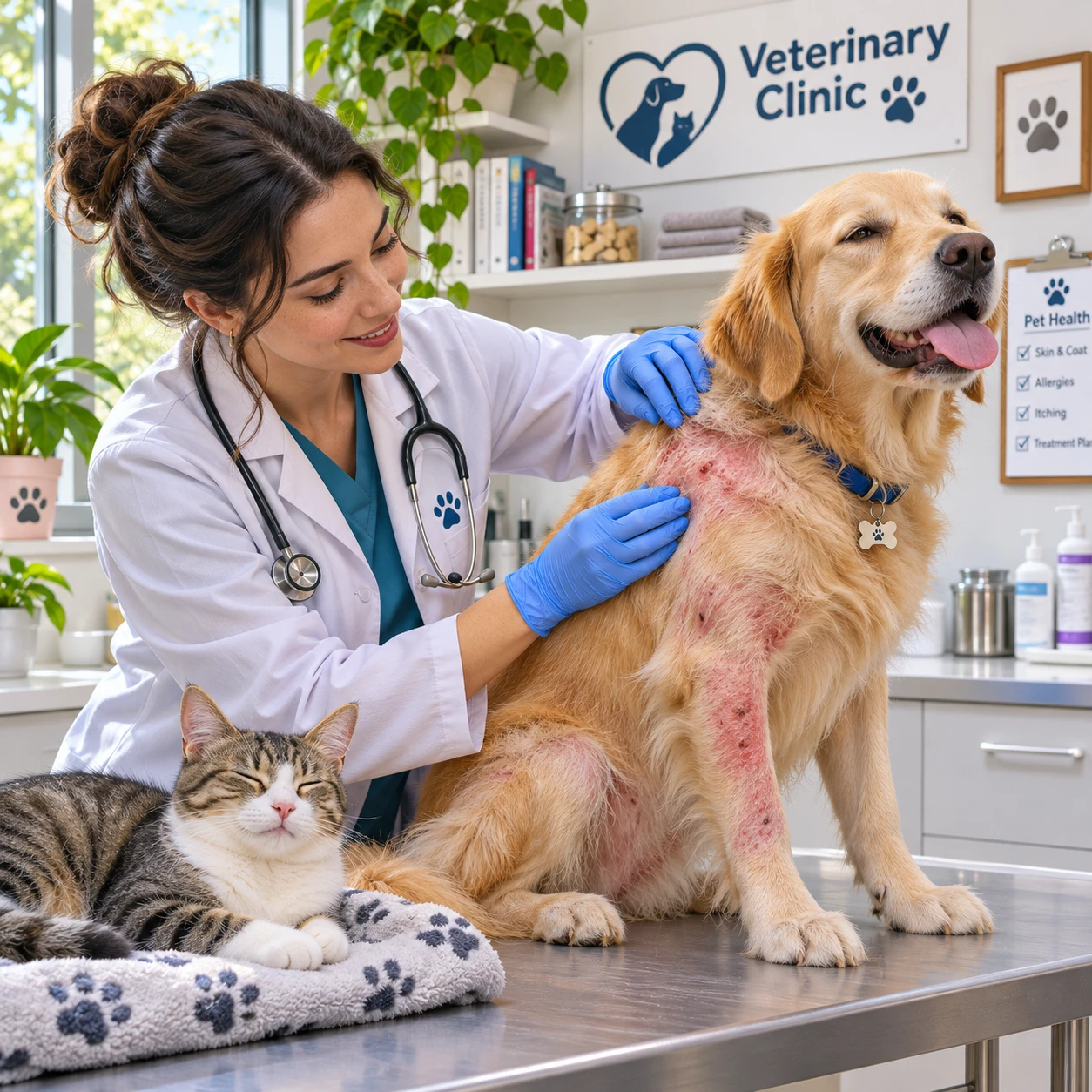
Repeated scratching, licking, or ear trouble can make a pet uncomfortable and leave owners searching for a cause. Allergies are one possibility, but parasites, infections, and other conditions can look similar. Recognizing patterns and getting veterinary advice are the safest first steps toward relief.
How allergies affect pets
Pet allergies occur when the immune system reacts to a substance that is usually harmless, causing signs that may affect the skin, ears, or digestive tract. In dogs and cats, itching (pruritus) and skin inflammation are common, but symptoms vary by animal and by trigger.
Some pets develop atopic dermatitis, a chronic, itchy skin condition linked to environmental allergens such as pollen or dust mites. Others react to flea bites or a food ingredient. Allergies may flare seasonally or persist throughout the year, and a pet can have more than one problem at once. For example, allergy-related skin damage can make a secondary bacterial or yeast infection more likely.
Allergies cannot be confirmed by appearance alone. Itching may also come from fleas, mites, infection, pain, or another skin disorder, so a veterinary assessment helps separate possibilities and guide treatment.
Common signs to watch for
Common signs of pet allergies include persistent itching, licking, scratching, redness, hair loss, and recurring ear problems. Some pets also have digestive signs, but those symptoms have many possible causes.
Look for repeated behaviors and changes in the skin rather than one isolated scratch. Dogs may chew their paws, rub their face, or scratch around the belly, armpits, and groin. Cats may overgroom, develop small scabs, or lose hair from areas they lick. Red, irritated skin can become sore or infected if the pet continues to scratch.
- Skin and coat: redness, rash, scabs, thinning hair, or moist, damaged patches.
- Paws and face: frequent licking, chewing, rubbing, or repeated head shaking.
- Ears: recurrent ear infections, odor, discharge, redness, or discomfort when touched.
- Digestive tract: vomiting, loose stool, or gas may occur with some food reactions, though these signs do not prove a food allergy.
Keep a brief record of when symptoms appear, which areas are affected, and any changes in food, treats, flea prevention, or surroundings. This can help the veterinarian spot a pattern, but it cannot identify the allergy by itself.
Common allergy triggers
The main allergy triggers in pets are environmental allergens, food ingredients, and flea bites. Symptoms alone cannot reliably show which one is responsible, and some pets react to several triggers.
Environmental allergens include substances such as pollen, mold, dust mites, and other particles in the home or outdoors. Their effects may be seasonal, but indoor allergens can cause symptoms year-round. Atopic dermatitis is often associated with environmental sensitivity, though a veterinarian must also consider other causes of itchy skin.
A food allergy is an immune reaction to a food ingredient, often a protein. It may cause skin or ear symptoms, digestive problems, or both, and can occur even if a pet has eaten the same food for a long time. Food allergy is different from food intolerance, which can cause digestive upset without the same immune response.
Flea allergy dermatitis is an intense reaction to flea saliva. In highly sensitive pets, a small number of bites may cause significant itching and skin irritation. Not seeing fleas does not rule them out: pets may groom them away, and a veterinarian can check for signs and advise on appropriate parasite control.
How veterinarians investigate allergies
Veterinarians investigate suspected allergies by reviewing the pet’s history, examining the skin and ears, and checking for other causes of symptoms. There is no single symptom or test that confirms every type of allergy.
The appointment may cover when the problem started, whether it changes with the seasons, the pet’s diet and treats, parasite prevention, previous infections, and any treatments already tried. A physical examination helps identify the pattern of skin inflammation and whether the ears or skin may also be infected.
Because parasites and infections can mimic or worsen allergies, the veterinarian may recommend checking for fleas or mites, testing skin or ear samples, and treating an infection before assessing the remaining itch. Improvement after treatment can help clarify what was contributing to the problem.
When food allergy is suspected, the veterinarian may recommend a controlled elimination diet. This usually means feeding a prescribed diet for a defined period, with no unapproved treats, flavored medicines, table scraps, or other foods. If signs improve, the veterinarian may advise a carefully managed food challenge to see whether symptoms return. Unsupervised diet changes can make the results difficult to interpret and may leave nutritional gaps.
Allergy tests may have a role in selected cases, particularly when planning allergen-specific immunotherapy for environmental allergies. They do not replace the clinical work needed to rule out other causes or confirm a food allergy.
Managing allergies safely
Safe allergy management depends on the suspected trigger and the pet’s symptoms, so treatment should be planned with a veterinarian. A combination of parasite control, skin care, exposure reduction, and prescribed medication may be needed to control flare-ups.
- Control fleas consistently: Use a veterinarian-recommended preventive appropriate for the pet’s species, age, and health. Treating only when fleas are visible may not prevent reactions in a sensitive animal.
- Reduce relevant exposures: If outdoor pollen appears to trigger symptoms, wiping paws and coat after walks may help. For suspected indoor allergens, regular washing of pet bedding can be a practical step. Avoid major household changes unless they are likely to address a plausible trigger.
- Support the skin: A veterinarian may suggest a suitable shampoo, moisturizer, or other skin-care routine. Use products as directed; human products or essential oils may irritate pets or be unsafe if licked.
- Use prescribed treatment as instructed: Depending on the case, options may include medication to control itching or inflammation, treatment for infection, or immunotherapy. Each option has potential limits and side effects, so follow-up helps assess benefit and adjust the plan.
- Keep food trials strict: Follow the prescribed elimination diet and ask the clinic before adding treats, supplements, or flavored medication.
Do not give a pet human allergy medication unless a veterinarian specifically approves the exact product and dose. Some products contain ingredients that are dangerous to animals, and the right choice depends on the pet’s size, health, and other medications. Allergy management often controls symptoms rather than removing the underlying sensitivity, so periodic reassessment may be needed.
When to seek veterinary care
Contact a veterinarian when itching persists, symptoms worsen, skin becomes damaged, or ear problems keep returning. Prompt assessment can identify infections and other conditions before discomfort and skin injury escalate.
Book an appointment if your pet is scratching or licking repeatedly, losing hair, developing sores, or showing ongoing redness or discharge. Recurring head shaking, ear odor, or pain also deserves attention; ear infections can be uncomfortable and may need targeted treatment. Avoid putting drops or household products into the ear unless the veterinarian has recommended them.
Seek emergency veterinary care for signs of a severe allergic reaction, such as sudden facial swelling, trouble breathing, collapse, or rapidly worsening symptoms after a sting, medication, or other exposure. Do not wait to see whether a serious reaction settles on its own.
At the appointment, bring your symptom notes and a list of foods, treats, medications, and parasite preventives. That small amount of preparation can help the veterinarian choose useful next steps without assuming that every itch is an allergy.