


How to Choose the Right Veterinarian for Your Pet: A Practical Guide
Finding the right veterinarian is one of the most consequential decisions you'll make as a pet owner — and it's rarely as simple as picking whoever is closest to home. Your pet can't tell you whether they felt comfortable, whether the exam felt rushed, or whether the clinic smelled off. That responsibility falls entirely on you.
This guide walks you through what actually matters when evaluating a veterinary practice, from verifying credentials to reading the room during your first visit.
Why Choosing the Right Vet Matters
The veterinarian you choose will influence your pet's health outcomes for years, sometimes for the animal's entire life. This isn't a one-time transaction — it's an ongoing relationship built on trust, communication, and continuity of care.
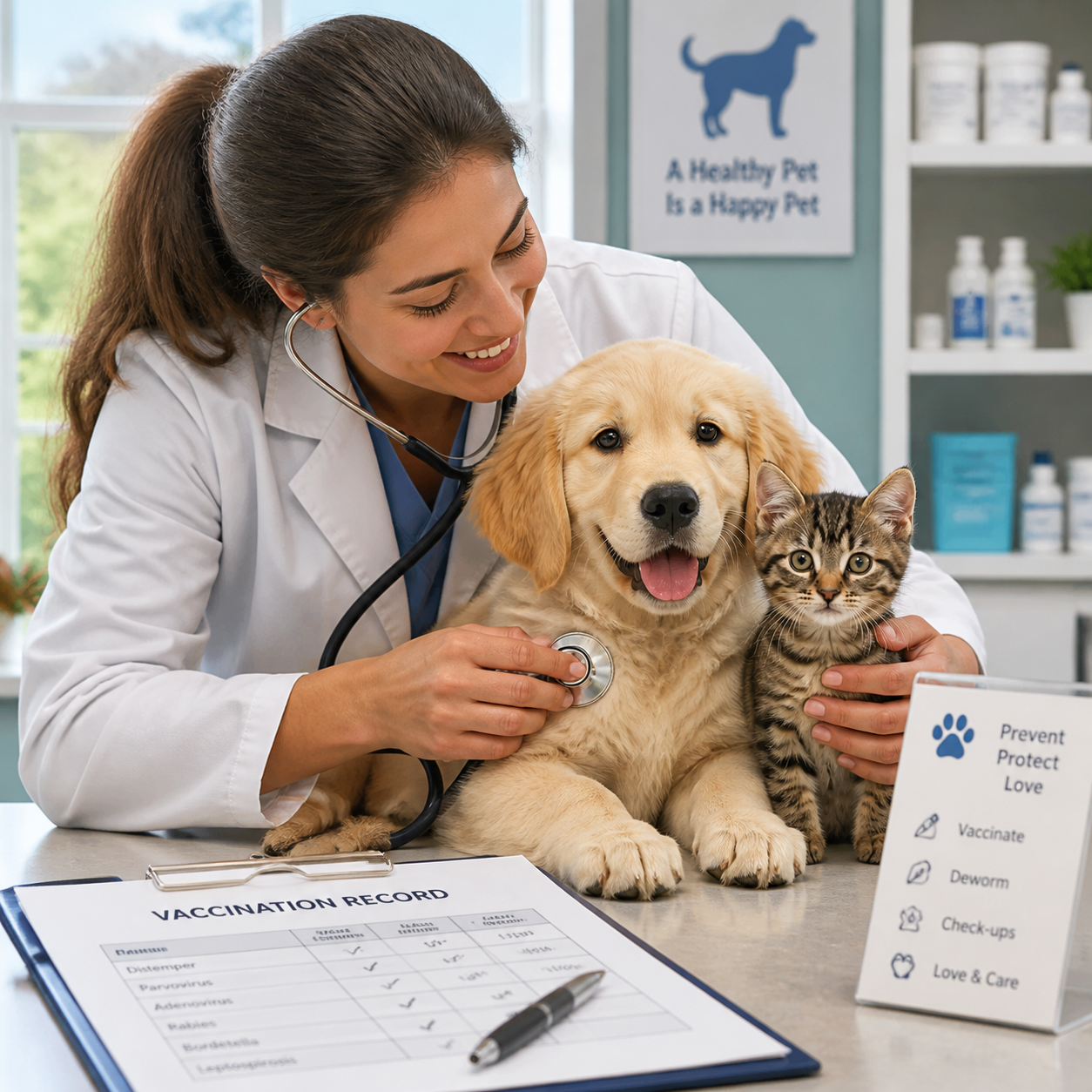
A good veterinary practice provides far more than annual vaccinations. It serves as your first line of defense for detecting early illness, managing chronic conditions, and navigating emergencies. Pets that receive consistent preventive care — wellness exams, parasite screenings, dental checks — tend to live longer and experience fewer serious health crises.
There's also the practical side: a vet who knows your pet's full medical history can make faster, more accurate decisions when something goes wrong. Starting over with a new provider every few years means losing that accumulated context, which has real consequences during a health scare.
Start with the Basics: Credentials and Licensing
Every practicing veterinarian in the United States must hold a Doctor of Veterinary Medicine (DVM) degree and a valid state license. These are non-negotiables — not optional extras.
You can verify a vet's licensure through your state's veterinary licensing board, which maintains public records. Beyond basic licensure, look for membership in professional associations like the American Veterinary Medical Association (AVMA), which signals a commitment to ongoing education and ethical standards.
Some clinics pursue voluntary accreditation through organizations like the American Animal Hospital Association (AAHA). AAHA-accredited practices must meet over 900 standards covering everything from surgical protocols to pain management. Accreditation isn't mandatory, but when a clinic pursues it voluntarily, that tells you something about their priorities.
If your pet needs specialized care — orthopedic surgery, cardiology, ophthalmology — look for a board-certified veterinary specialist. These professionals have completed residency training beyond the DVM and passed rigorous specialty exams. Your general vet can refer you when needed, but knowing this distinction exists helps you ask the right questions early.
Consider Your Pet's Specific Needs
Not every veterinary clinic is equally equipped to handle every animal. Species, breed, age, and existing health conditions should all factor into your choice.
If you have a rabbit, a reptile, or a bird, a standard small animal practice may not have the training or equipment to treat them properly. Look specifically for a vet with exotic animal experience — this is a genuine veterinary specialization, not just a marketing claim. Ask directly: "How many exotic patients do you see per week?"
For dogs and cats, breed matters more than many owners realize. Brachycephalic breeds like French Bulldogs and Persian cats have specific respiratory and anesthetic risks. Giant breeds like Great Danes are prone to joint disease and bloat. A vet familiar with your pet's breed-specific vulnerabilities will ask different questions and catch different warning signs.
Age is another factor. Senior pets need more frequent wellness exams and often have multiple concurrent conditions that require careful medication management. If your pet is older, ask whether the clinic has experience managing geriatric animals and whether they offer senior wellness packages.

What to Look for During a First Visit
A first visit reveals more than any online review. Pay attention to the physical environment, the staff's behavior, and how the vet actually interacts with your animal.
The clinic should be clean and organized — not just the reception area, but the exam rooms you can see. Odor is a reasonable indicator: some smell is unavoidable, but a strong, persistent ammonia smell may point to hygiene issues. Notice whether surfaces are wiped down between patients.
Watch how the staff handles your pet before the vet even enters the room. Fearful Free and low-stress handling techniques have become a meaningful benchmark in modern veterinary care. A technician who speaks calmly, moves slowly, and avoids unnecessary restraint is practicing with the animal's emotional state in mind — that's a good sign.
When the vet arrives, notice whether they greet your pet first or launch straight into the exam. Neither is wrong, but a vet who takes thirty seconds to let a nervous dog sniff their hand before picking up a stethoscope understands animal behavior. That matters during every future visit.
Communication style is equally important. Does the vet explain what they're doing and why? Do they ask about your pet's behavior at home, diet, and routine — or just check the standard boxes? A thorough vet treats the medical history as a conversation, not a form.
Questions to Ask Before Committing
Before scheduling a second appointment, get clear answers to a few practical questions. Most good clinics will answer these without hesitation.
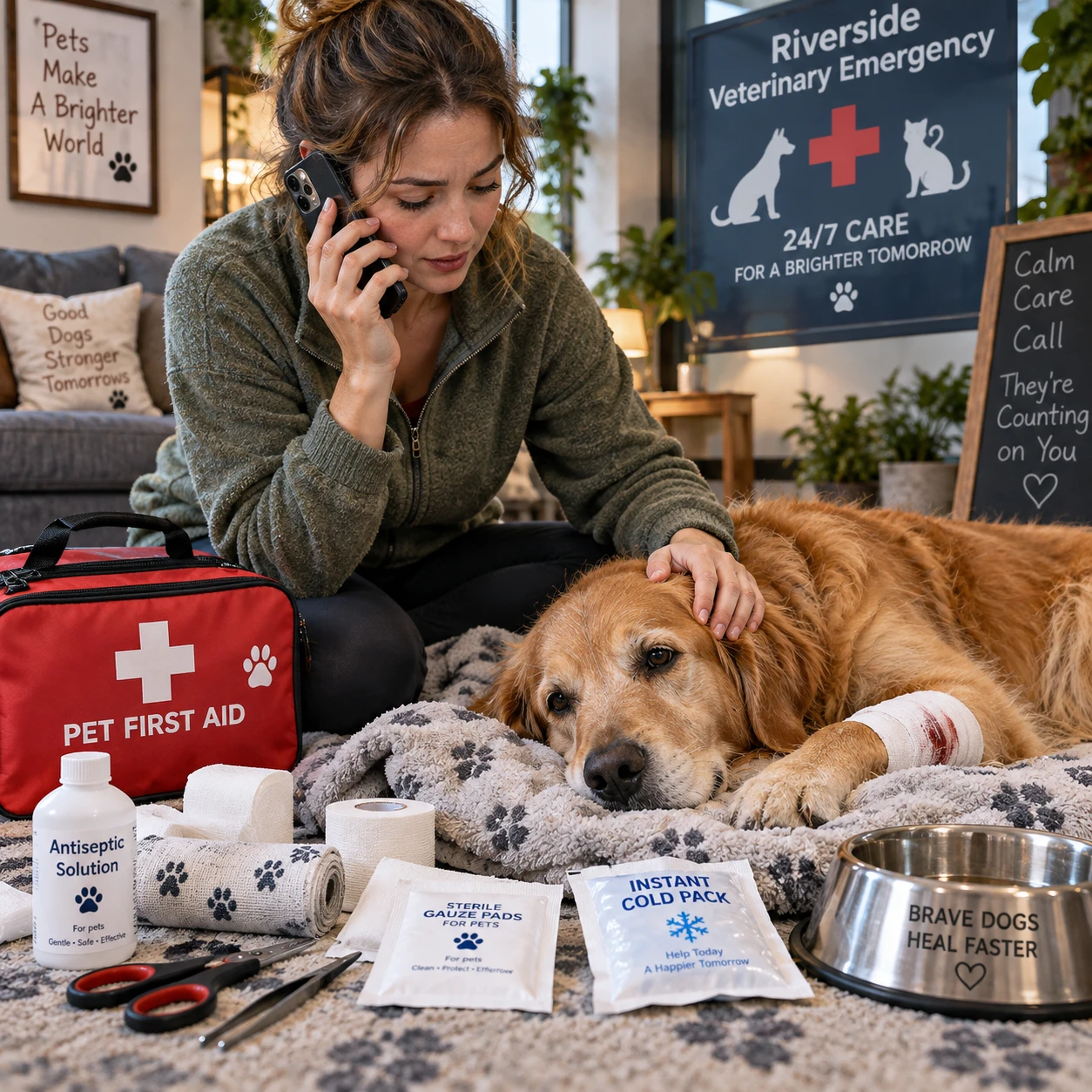
- What emergency services do you offer after hours? Some clinics have on-call vets; others refer to a 24-hour emergency hospital. Know the plan before you need it.
- How do you handle pricing and estimates? A transparent practice provides written estimates before procedures, not surprises afterward.
- What is your appointment availability? A clinic that books three weeks out for a sick pet visit isn't set up to serve you well in a pinch.
- Do you offer wellness plans or preventive care packages? These can reduce the cost of routine care significantly over the course of a year.
- How do you communicate with clients between visits? Email, patient portals, and phone callbacks all have different response times — find out what to expect.
These aren't trick questions. They're the kind of practical logistics that determine whether a good vet is also a good fit for your life.
Red Flags to Watch Out For
Some warning signs are obvious; others are easy to rationalize away. Here's what deserves genuine concern.
Vague or dismissive communication is the most common red flag. If a vet brushes off your questions, uses jargon without explanation, or seems impatient when you ask for clarification, that dynamic will only get worse over time — especially when you're stressed about a sick animal.
Lack of pricing transparency is another concern. A practice that refuses to give cost estimates in advance, or that presents a bill significantly higher than what was discussed, is not operating in good faith. Veterinary care is expensive; honest communication about costs is part of ethical practice.
Watch for outdated or poorly maintained equipment. Diagnostic tools — digital X-rays, ultrasound, in-house lab testing — have a direct impact on the speed and accuracy of diagnosis. A clinic that hasn't updated its equipment in a decade may be cutting corners in other areas too.
Finally, pay attention to staff turnover. High turnover in veterinary clinics often reflects poor management or a difficult work environment. Continuity among technicians and front-desk staff matters because they're the ones who remember your pet, flag concerns between visits, and make the experience less stressful overall.
Building a Long-Term Relationship with Your Vet
The best veterinary care happens over time, not during a single appointment. Once you've found a practice that meets your standards, invest in the relationship.
Bring complete pet health records to every new provider — vaccination history, prior diagnoses, medications, surgical records. A vet working with full context makes better decisions. If you're switching practices, request your records in writing; you're legally entitled to them.
Be honest during appointments. If your dog ate something questionable, mention it. If you've been inconsistent with medication, say so. Vets can only work with the information you give them, and withholding details out of embarrassment can lead to missed diagnoses.
Consistency also helps your pet. Animals that see the same vet regularly tend to be less anxious during visits because the environment becomes familiar. That reduced stress leads to more accurate exams — a nervous animal's heart rate and blood pressure readings aren't reliable baselines.
The right veterinarian is a genuine partner in your pet's health. When you find one, that relationship is worth protecting.
Frequently Asked Questions
What is the difference between a general vet and a veterinary specialist?
A general veterinarian (DVM) handles routine care, preventive medicine, and common illnesses across species. A veterinary specialist has completed additional residency training and board certification in a specific area — such as surgery, cardiology, or dermatology — and typically sees patients by referral from a primary care vet.
How often should I take my pet to the vet?
Most healthy adult dogs and cats benefit from annual wellness exams. Puppies, kittens, and senior pets generally need more frequent visits — often every six months. Pets with chronic conditions may require quarterly checkups or more. Your vet will recommend a schedule based on your specific animal.
What should I bring to my pet's first veterinary appointment?
Bring any existing health records, vaccination history, a list of current medications or supplements, and a sample of your pet's regular food if you have dietary concerns. For cats, a carrier that smells familiar helps reduce stress. For dogs, bring their leash and any behavioral notes that might help the vet understand their temperament.
How do I know if my current vet is right for my pet?
Ask yourself whether you leave appointments feeling informed and heard. A good veterinary relationship means you understand your pet's health status, you know what to watch for at home, and you feel comfortable calling with questions. If you consistently leave confused or dismissed, that's worth addressing — either by having a direct conversation with your vet or by exploring other options.
Is it okay to switch veterinarians?
Yes, and you don't owe an explanation. Pets' needs change, families move, and sometimes a practice simply isn't the right fit. Request your pet's complete medical records before switching, and give the new vet as much background as possible. The transition is easier when you bring thorough documentation of your pet's history.